Why an Integrated Design Team Pays Off
At Gridwork AE our team integrates Architecture with Structural Engineering. In commercial construction, coordination is everything. When architecture and engineering teams work in silos, even small misalignments can lead to design conflicts, delays, and costly revisions. Integrated architecture and engineering, where designers and engineers collaborate as a unified team from day one—offers a smarter, more efficient approach that consistently delivers better project outcomes.
Integrated teams communicate more efficiently because architects and engineers are aligned around shared goals, timelines, and priorities. Questions are answered faster, decisions are made collaboratively, and revisions happen with full awareness of downstream impacts.
Designs developed with engineering insight from the outset tend to be more buildable. Integrated teams consider not only how a building should look, but how it will actually be constructed.
This focus on constructability can:
– Simplify structural systems
-Standardize details and assembles
-Improve installation efficiency
-Reduce labor hours and material waste.
When design reflects real‑world construction methods, projects are easier to build and less prone to delays.
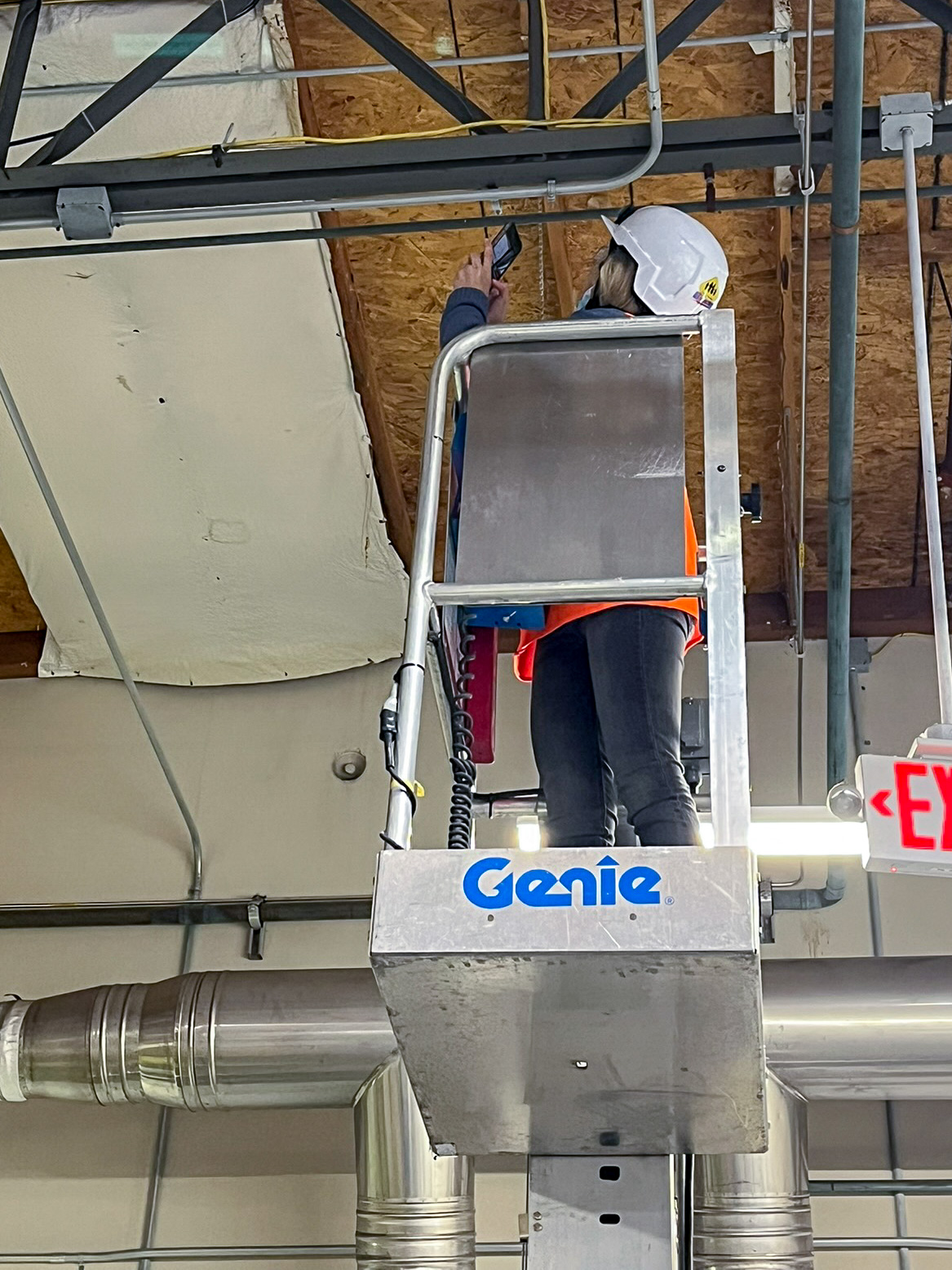
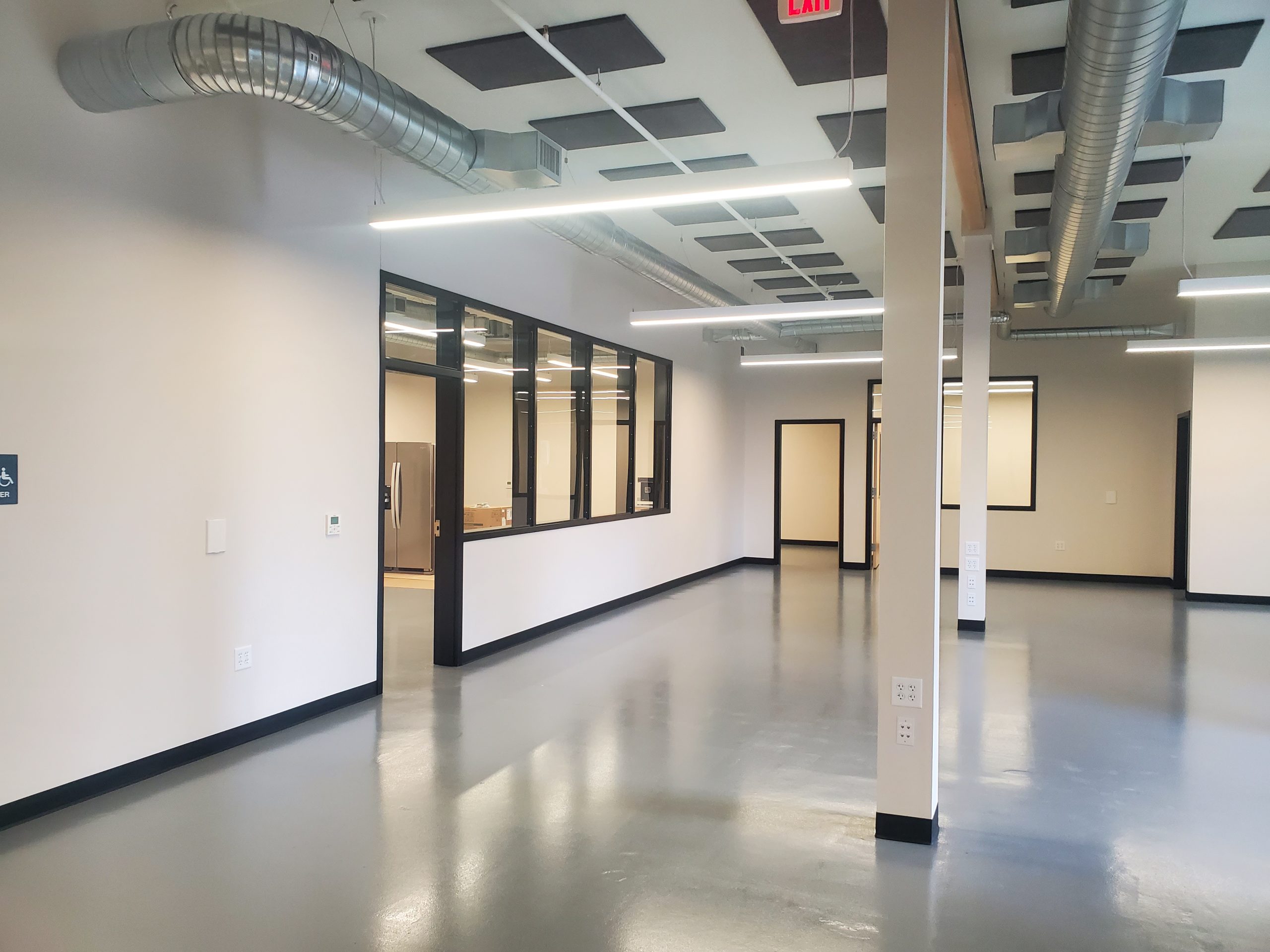
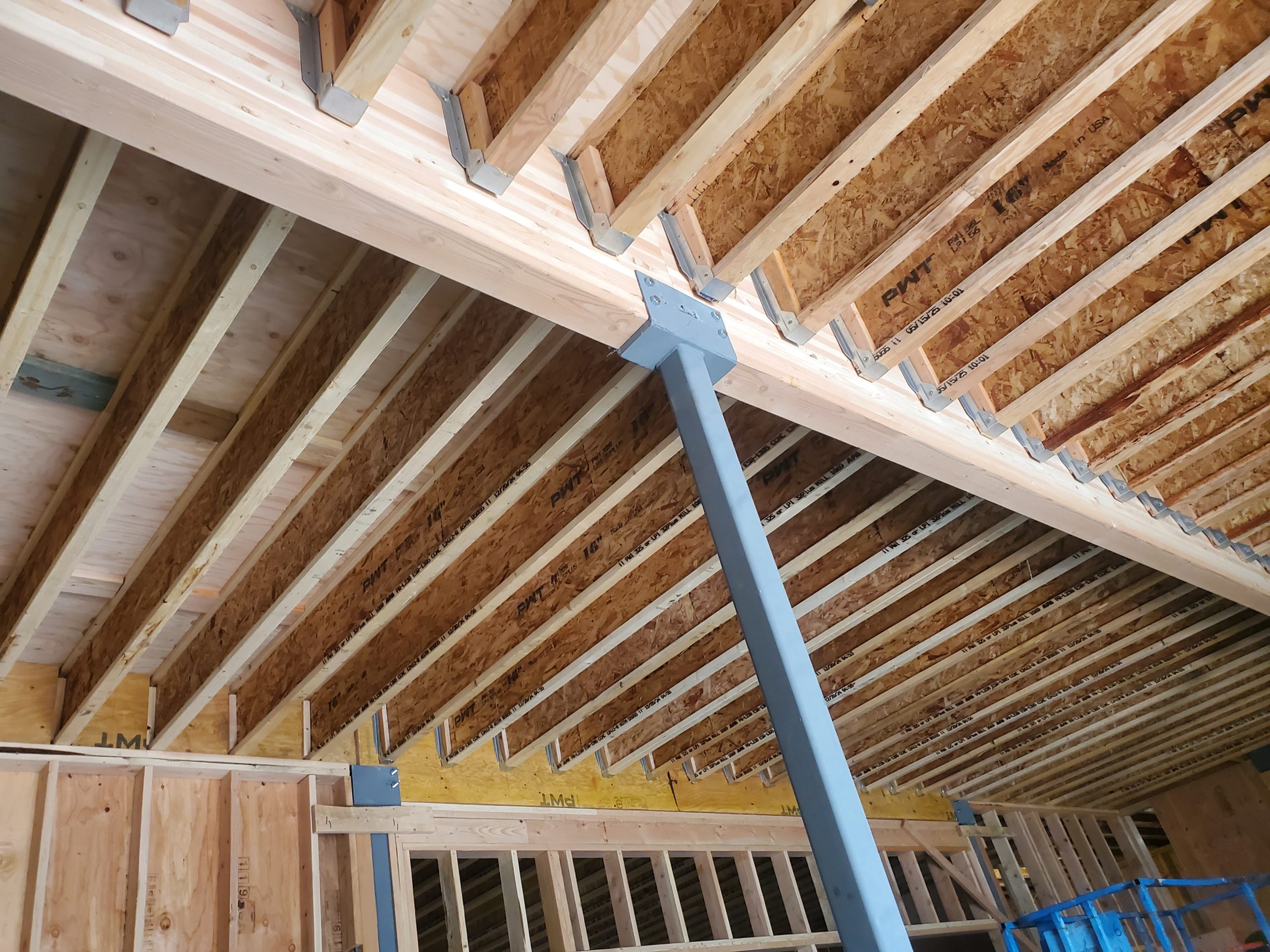
One recent project completed by Gridwork AE that exemplifies the benefits of an integrated project team was the Port of Vancouver 3300 building tenant Improvement. This project consisted of converting existing warehouse space into an office area with a storage mezzanine. Our inhouse structural engineer coordinated the mezzanine framing with the architect to avoid conflicts with mechanical and plumbing. The architect and engineer also worked together to expose some of the heavy timber beams as a design feature. During construction some on-the-fly engineering changes had to be made to accommodate some of the design-build mechanical changes in the field, having the architect and structural engineer and contractor on site working together helped solve these problems quickly avoiding project delays.